
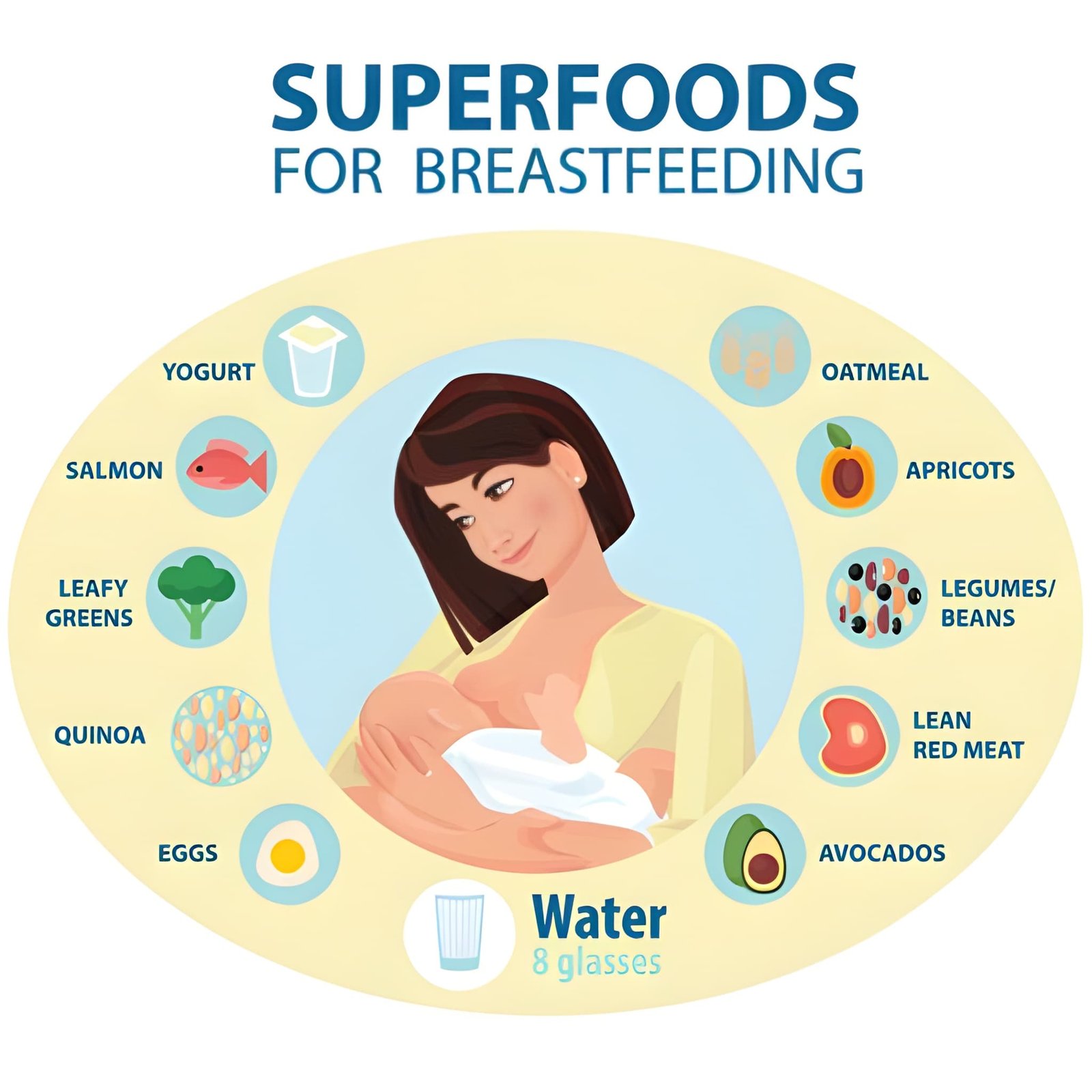
Best Foods for Breastfeeding Mothers: A Guide to Healthy Nutrition After Delivery
Best Foods for Breastfeeding Mothers: A Guide to Healthy Nutrition After Delivery
Breastfeeding is a special phase where a mother provides important nourishment to her baby. While breast milk production is a natural process, a mother’s diet, hydration, rest, and overall health can support her energy levels and help maintain a healthy breastfeeding journey.
After childbirth, the body needs time to recover while also meeting the nutritional demands of milk production. Eating a balanced diet containing protein, vitamins, minerals, healthy fats, and adequate fluids can help mothers feel stronger and more energetic.
Why Nutrition Matters During Breastfeeding
Breastfeeding requires additional energy because the mother’s body is continuously producing milk. A nutritious and varied diet supports the mother’s health and provides the nutrients needed during this demanding period.
Rather than relying on specific “milk-boosting” foods, breastfeeding mothers should focus on a variety of nutrient-rich foods that provide balanced nourishment.
Protein-Rich Foods for Recovery and Strength
Protein plays an important role in tissue repair after delivery and supports overall health. Good sources of protein include:
• Lentils and pulses
• Eggs, if preferred
• Milk and dairy products
• Paneer
• Fish and lean meat for non-vegetarians
• Nuts and seeds
Including a source of protein in daily meals can help mothers maintain energy during the demanding postpartum period.
Foods Rich in Iron and Calcium
After childbirth, maintaining adequate iron intake is important for supporting energy and preventing nutritional deficiencies. Iron-rich foods include green leafy vegetables, beans, lentils, dates, and fortified cereals.
Calcium is also important for maintaining strong bones and supporting the mother’s nutritional requirements. Milk, curd, paneer, sesame seeds, and ragi are useful sources of calcium.
Healthy Fats for Overall Health
Healthy fats are an important part of a balanced diet. Foods such as almonds, walnuts, flaxseeds, chia seeds, and moderate amounts of ghee can be included in daily meals.
Omega-3 fatty acids, found in foods such as certain fish, walnuts, flaxseeds, and chia seeds, are also important nutrients during the postpartum period.
Stay Hydrated During Breastfeeding
Breastfeeding mothers may experience increased thirst. Drinking enough fluids throughout the day helps maintain hydration and supports overall well-being.
Water, soups, coconut water, and healthy homemade beverages can be included as part of a balanced hydration routine. Mothers should generally drink according to thirst and maintain regular fluid intake.
Traditional Foods and Breastfeeding
Many cultures have traditional postpartum foods believed to support recovery and breastfeeding. Foods such as gond laddoos, panjiri, dry fruits, and certain herbal preparations are commonly recommended in some families.
However, every mother’s nutritional needs are different. Some traditional foods may be high in sugar or calories, while certain herbal preparations may not be suitable for everyone. It is important to choose foods based on individual health needs and medical advice.
Foods to Limit or Avoid
Breastfeeding mothers should maintain a balanced diet and be mindful of excessive caffeine, highly processed foods, and foods that may cause discomfort.
If the baby develops signs of an allergy, digestive problems, or unusual reactions, mothers should discuss the symptoms with a qualified healthcare professional rather than unnecessarily eliminating multiple foods from their diet.
Guidance for a Healthy Breastfeeding Journey
Proper postpartum guidance can help mothers recover well and confidently care for their newborns. Dr Saroj Acharya, the Best Gynaecologist in Bhubaneswar, provides expert guidance on pregnancy care, post-delivery recovery, and breastfeeding support to help mothers navigate this important phase.
Final Thoughts
Breastfeeding is a journey that requires patience, care, and support. A balanced diet, adequate hydration, sufficient rest, and regular medical guidance can help mothers stay healthy while providing nourishment to their babies. Small, consistent choices in daily nutrition can make a meaningful difference during the breastfeeding period.