
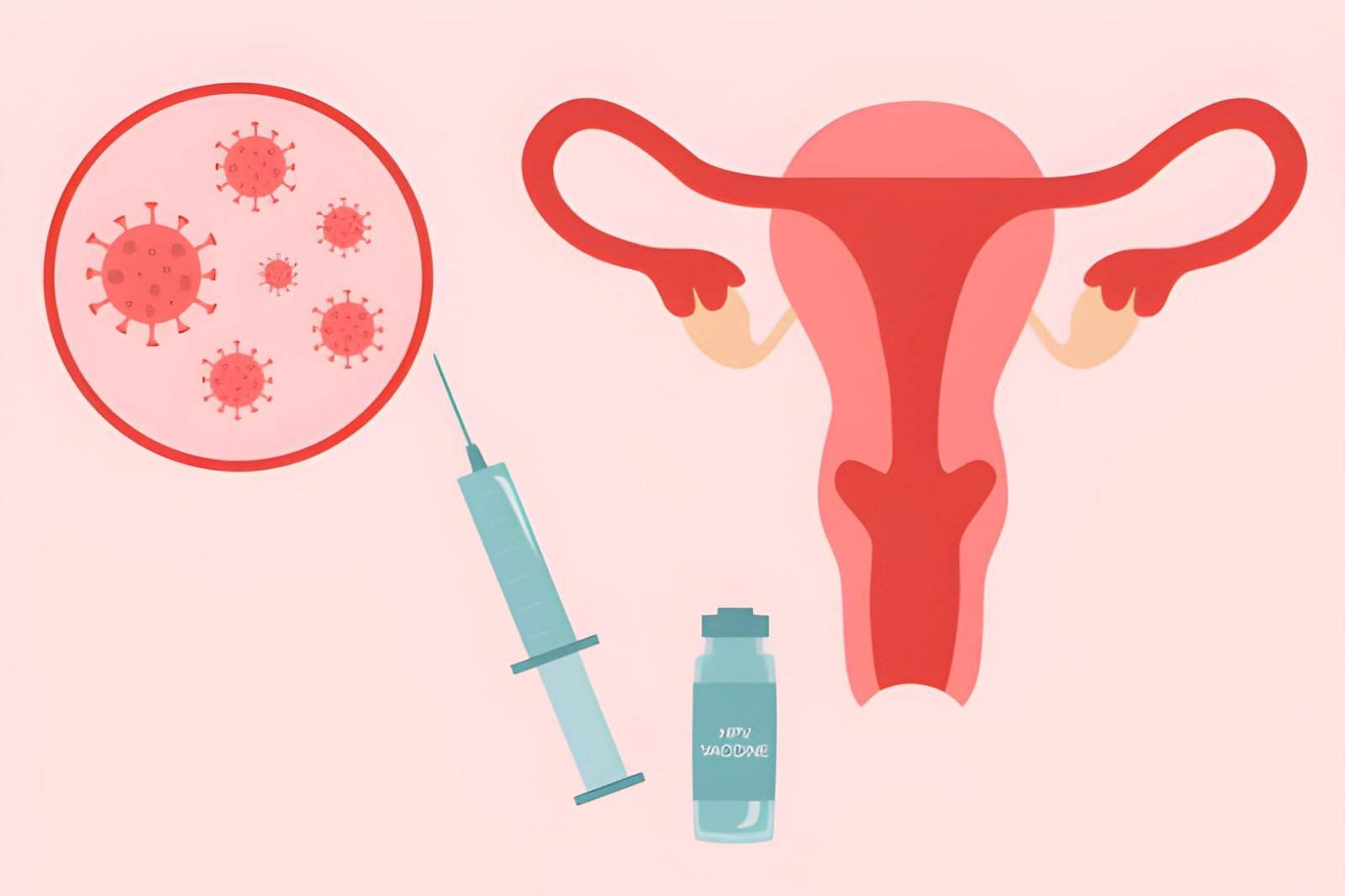
HPV Vaccination: Who Should Get It and When?
HPV Vaccination: Who Should Get It and When?
When it comes to preventing cervical cancer, HPV vaccination is one of the most powerful tools modern medicine offers. Yet, many women and parents still have questions: Who needs it? Is it safe? And what is the right age to take it?
Human Papillomavirus (HPV) is a very common virus transmitted through skin-to-skin contact. Certain high-risk strains of HPV are responsible for cervical cancer, as well as cancers of the vagina, vulva, anus, and throat. The important thing to understand is that HPV infection often has no symptoms. A woman may feel completely healthy and still carry the virus.
The HPV vaccine works best when given before exposure to the virus, which is why it is recommended for girls and boys between 9 and 14 years of age. At this stage, the immune response is strongest, and only two doses are required. For individuals aged 15 to 26 years, three doses are usually advised. Even young adults who are sexually active can benefit, because the vaccine protects against multiple high-risk strains.
Many parents worry about safety. The HPV vaccine has been extensively studied and monitored worldwide. It has a strong safety record, with mild side effects like soreness at the injection site or low-grade fever being the most common.
A common myth is that vaccination eliminates the need for Pap smears. That is not true. Regular cervical cancer screening remains essential, because the vaccine does not protect against all HPV types.
Prevention is always better than treatment. By choosing HPV vaccination at the right time, you are protecting future health, fertility, and peace of mind.