
Gut Health and Hormonal Balance in Women
Gut Health and Hormonal Balance in Women
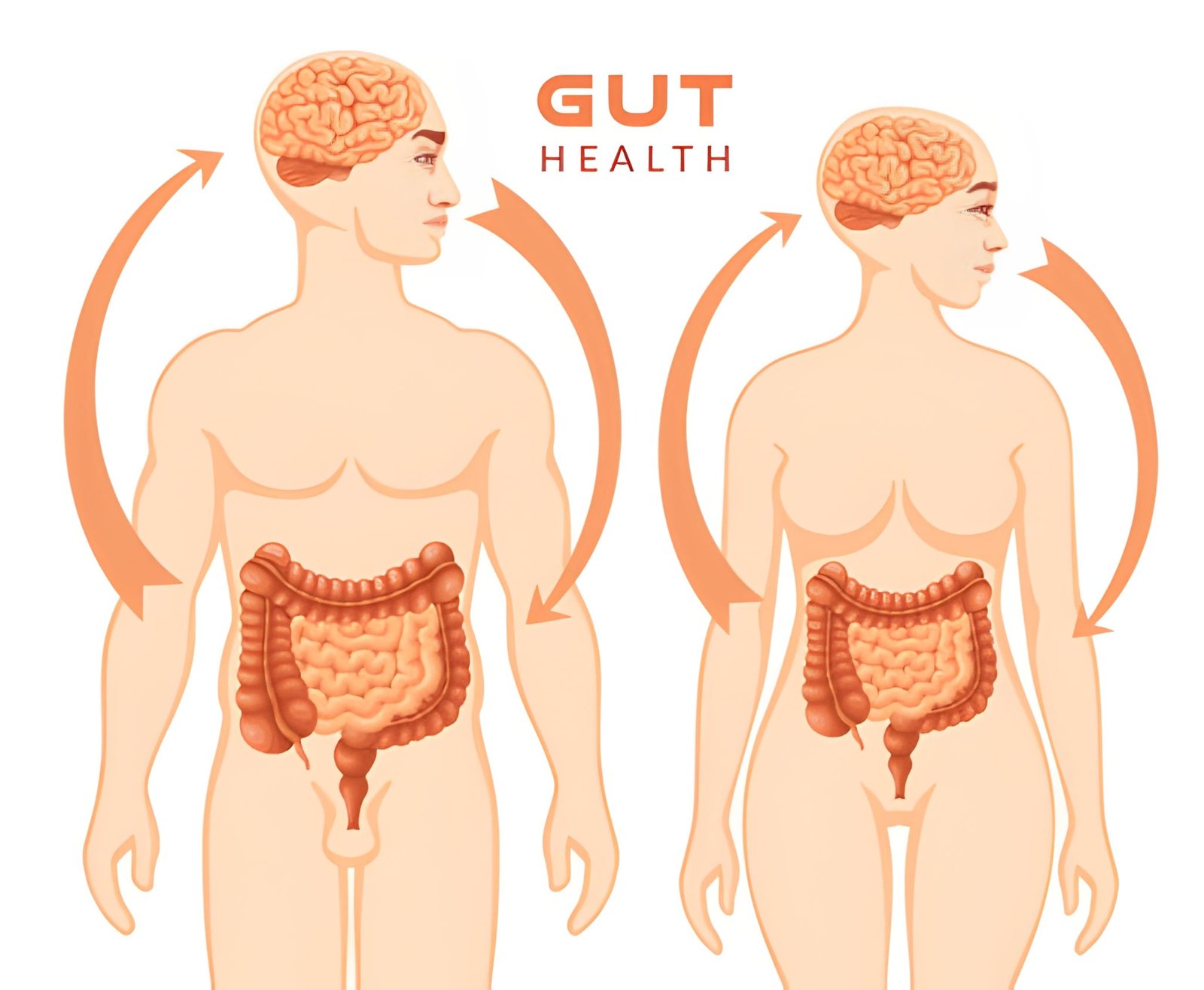
In recent years, experts have highlighted the strong connection between gut health and hormonal balance. The gut is often referred to as the body’s “second brain” because it influences digestion, immunity, mood, and reproductive hormones.
The gut contains trillions of microorganisms known as the gut microbiome. These beneficial bacteria are essential for digestion and nutrient absorption, but they also play a key role in regulating hormones, especially estrogen.
A healthy gut helps maintain balanced estrogen levels through a group of bacteria called the estrobolome. When the gut microbiome is balanced, it supports normal menstrual cycles, fertility, and overall hormonal health. However, poor gut health can disrupt this balance and lead to hormonal issues.
Imbalances in gut health may contribute to irregular periods, PMS symptoms, PCOS, mood swings, and digestive problems like bloating or constipation. These symptoms often indicate a deeper connection between digestion and hormone regulation.
Diet plays a major role in maintaining gut health. Eating fibre-rich foods, fruits, vegetables, whole grains, and fermented foods like yogurt supports beneficial bacteria and improves digestion. These habits naturally help regulate hormones.
On the other hand, processed foods, excess sugar, and unhealthy fats can disrupt the gut microbiome and cause inflammation. Stress and poor sleep also negatively affect gut health, further impacting hormonal balance.
Regular exercise, proper hydration, and maintaining a consistent sleep routine are simple yet effective ways to support both gut and hormonal health.
In conclusion, gut health and hormonal balance are closely connected. By adopting a healthy lifestyle and maintaining good digestive health, women can improve their hormonal stability and overall well-being.