
Can Wearable Health Devices Help Track Fertility?
Can Wearable Health Devices Help Track Fertility?
Technology has transformed healthcare, and wearable health devices are becoming increasingly popular among women who want to better understand their reproductive health. Smartwatches, smart rings, and fertility trackers can provide valuable data that helps women monitor fertility patterns and menstrual health.
A woman's fertility changes throughout her menstrual cycle, with ovulation representing the most fertile period. Traditionally, fertility tracking involved calendar methods, basal body temperature monitoring, ovulation predictor kits, and cervical mucus observation. Wearable devices now simplify this process by automatically collecting health data throughout the day and night.
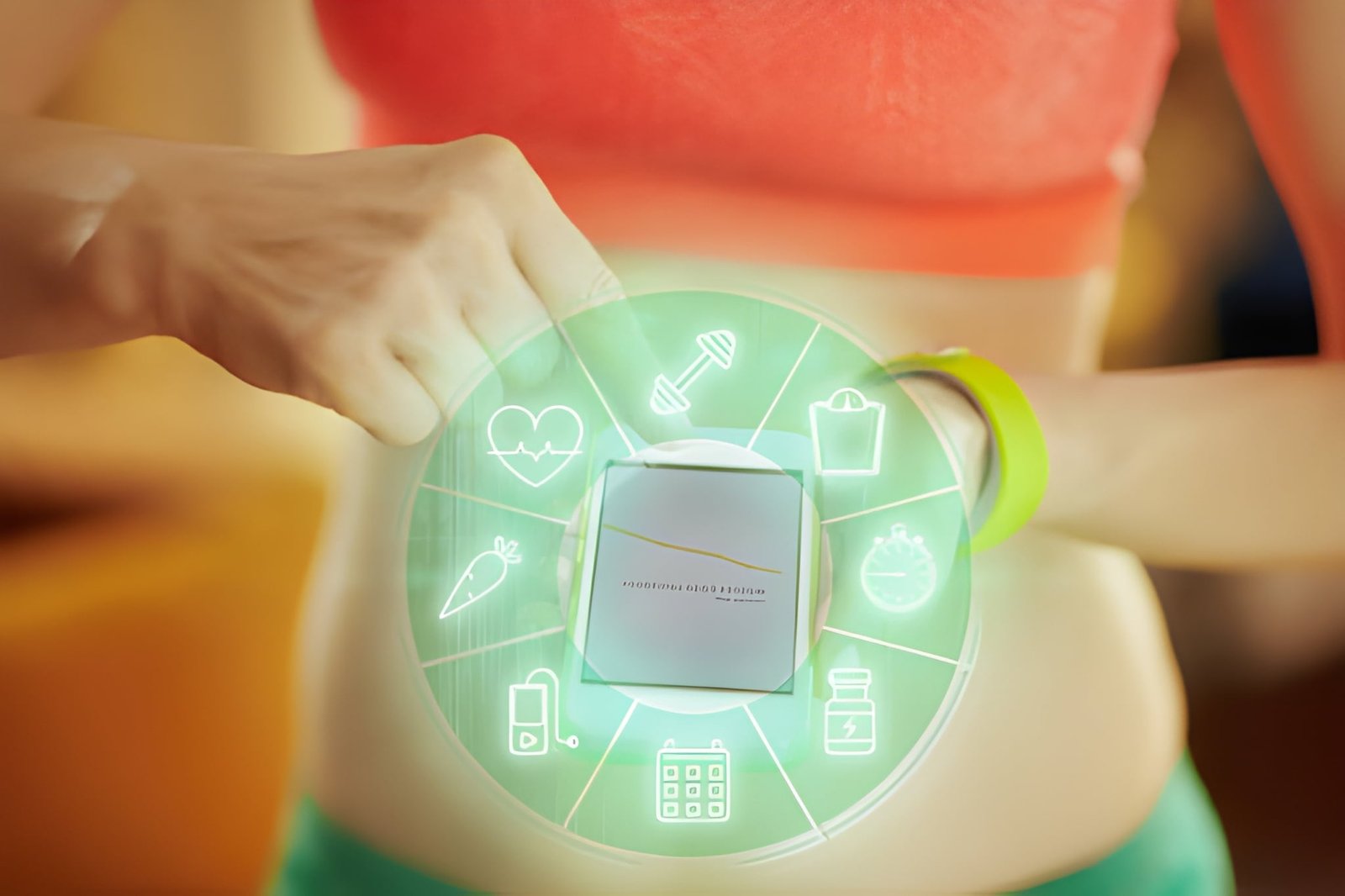
Modern fertility-tracking wearables can monitor several physiological parameters. Continuous body temperature monitoring helps identify temperature changes that occur after ovulation. Resting heart rate fluctuations throughout the menstrual cycle can also provide useful fertility insights. In addition, wearables track sleep quality and activity levels, both of which influence hormonal balance and reproductive health.
One of the major benefits of wearable fertility tracking is improved cycle awareness. Many women are unaware of subtle patterns within their menstrual cycle, and wearables help identify fertile windows and menstrual trends more accurately. Automatic data collection also makes tracking more convenient and consistent compared to manual methods.
Wearable devices may also help detect irregularities in cycle patterns, temperature trends, and sleep habits that could indicate underlying health concerns requiring medical attention. For women trying to conceive, this information can assist in identifying optimal timing for conception.
Despite their advantages, wearable devices have limitations. Factors such as stress, illness, medications, travel, poor sleep, and environmental changes can affect readings. Additionally, wearable devices cannot diagnose fertility disorders or replace professional medical evaluations.
Conditions such as PCOS, endometriosis, blocked fallopian tubes, ovulation disorders, and male infertility factors require comprehensive fertility assessment and specialized testing. Therefore, wearable technology should be considered a supportive tool rather than a replacement for expert care.
Women trying to conceive naturally, those with irregular cycles, individuals practicing natural family planning, and women interested in monitoring hormonal health may benefit most from wearable fertility tracking.
As health technology and artificial intelligence continue to advance, wearable fertility devices are expected to become even more accurate and personalized. However, the best outcomes occur when technology is combined with professional medical guidance.
In conclusion, wearable health devices offer a convenient and informative way to monitor fertility and reproductive wellness. While they provide valuable insights into menstrual cycles, ovulation patterns, sleep, and overall health, they should always be used alongside professional medical evaluation when fertility concerns arise.