
5 Silent Symptoms of Endometriosis You Should Never Ignore
5 Silent Symptoms of Endometriosis You Should Never Ignore
Endometriosis is one of those conditions that often goes unnoticed for years. Many women assume their symptoms are normal or simply a part of their menstrual cycle. As a result, they continue to live with pain and discomfort without realising that an underlying condition may be affecting their health.
Endometriosis occurs when tissue similar to the lining of the uterus grows outside the uterus, commonly on the ovaries, fallopian tubes, or pelvic lining. This misplaced tissue responds to hormonal changes during the menstrual cycle, causing inflammation, pain, and scar tissue formation.
Recognising the warning signs early can make a significant difference in treatment and quality of life. Dr Saroj Acharya, the best Gynaecologist in Bhubaneswar, emphasises that early diagnosis can help manage symptoms effectively and may also support better fertility outcomes.
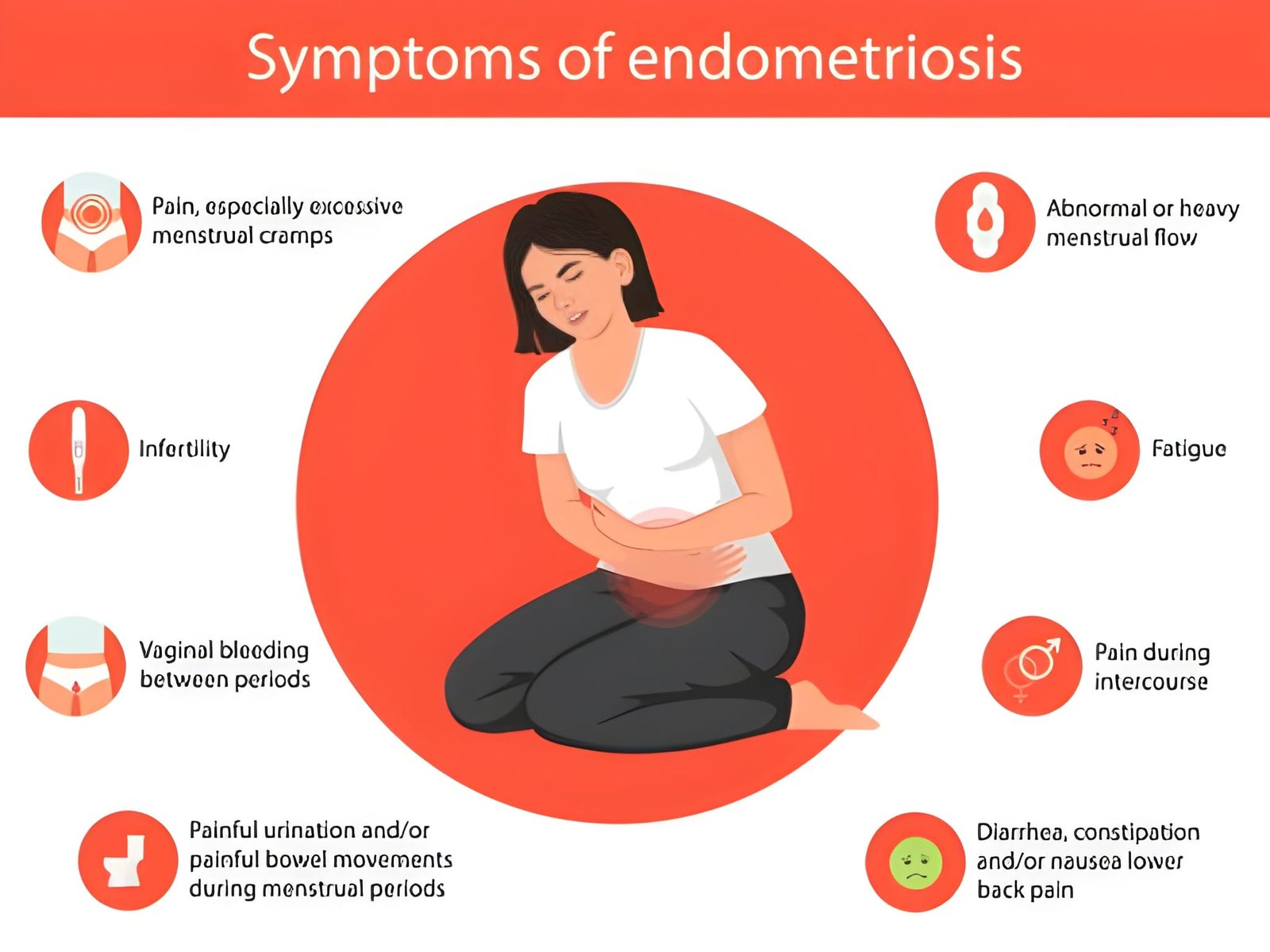
1. Painful Periods That Disrupt Daily Life
Many women experience cramps during menstruation, but severe pain that prevents you from attending work, school, or performing daily activities should never be ignored.
If painkillers barely provide relief and every period feels unbearable, it could be a sign of endometriosis rather than routine menstrual discomfort.
2. Chronic Pelvic Pain
Pelvic pain that continues even after your periods have ended is another important symptom. Some women describe it as a dull ache, while others experience sharp or stabbing pain that comes and goes.
Persistent pelvic discomfort lasting for weeks or months deserves medical attention, especially when no other clear cause has been identified.
3. Pain During or After Intercourse
Pain during intimacy is often overlooked because many women feel uncomfortable discussing it. However, pain during or after sexual intercourse can be an important symptom of endometriosis.
The discomfort may be felt deep inside the pelvis and can continue for several hours afterward. Speaking openly with your gynaecologist can help identify the underlying cause.
4. Difficulty Getting Pregnant
For some women, difficulty conceiving becomes the first indication that something may be wrong. Endometriosis can affect the ovaries, fallopian tubes, and surrounding tissues, making conception more challenging.
Although many women with endometriosis conceive naturally, those experiencing unexplained infertility should undergo an appropriate fertility evaluation.
5. Pain During Bowel Movements or Urination
If you notice pain while passing stool or urine, particularly during your menstrual cycle, do not dismiss it as simply a digestive or urinary problem.
Endometriosis can affect nearby organs, including the bowel and bladder, causing symptoms that may initially appear unrelated to reproductive health.
Why Early Diagnosis Matters
Delayed diagnosis can allow symptoms to worsen and may contribute to scar tissue formation and fertility-related complications. Several treatment options are available depending on the severity of symptoms, including medications, hormonal therapy, lifestyle modifications, and minimally invasive surgery.
Keeping track of your symptoms in a diary can help your gynaecologist understand patterns and support a more accurate diagnosis.
When Should You See a Gynaecologist?
You should schedule a consultation if you experience:
• Severe menstrual pain every month
• Pelvic pain outside your menstrual cycle
• Pain during or after intercourse
• Difficulty conceiving
• Painful bowel movements or urination during periods
These symptoms are not something you simply have to live with. Persistent or severe symptoms deserve proper medical evaluation.
Take Control of Your Health
Women often normalise pain because they have experienced it for years. However, persistent or severe symptoms should never be ignored.
If you suspect endometriosis, consult Dr Saroj Acharya, the best Gynaecologist in Bhubaneswar, for a thorough evaluation and personalised treatment plan. Early diagnosis and appropriate treatment can help reduce complications, improve quality of life, and support reproductive health.